Focus · Capitals Wire
According to the latest meeting minutes released Oct. 7 by the Federal Reserve's Federal Open Market Committee (FOMC), Kevin Warsh and the other central bankers are planning to hike interest rates again in 2026. The FOMC has two more meetings left this year, Oct. 28 and Dec. 9, to decide on possible Fed rate hikes by year-end. Inflation seems to be sticking around like an unwanted houseguest.
The most recent CPI report showed that consumer prices rose 3.7% year over year in September 2026. After raising interest rates in September, it looks like the Fed is going to have to hike by another quarter percentage point or possibly half percentage point by the end of this year. Let's look at a few high-level impacts of Fed interest rate hikes and what they mean for investors in stocks and bonds.
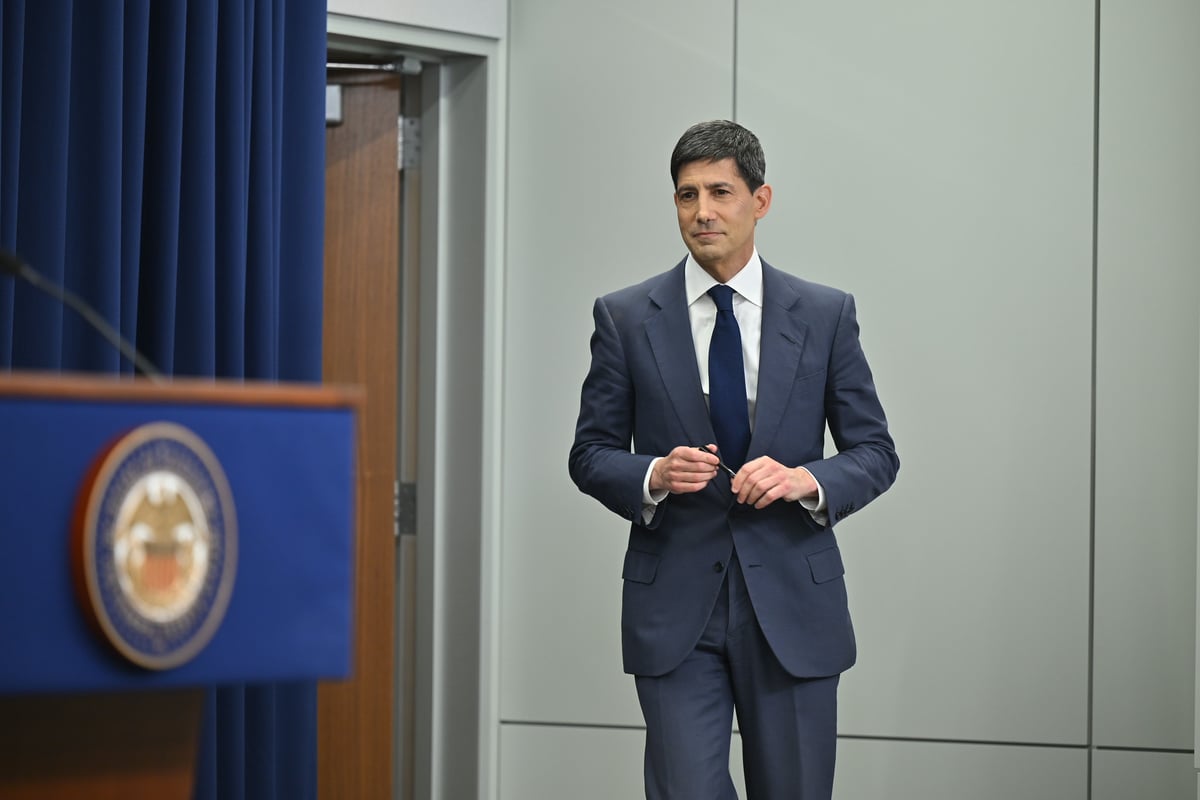
Federal Reserve Chair Kevin Warsh. Image source: The U.S. Federal Reserve.
Higher interest rates: Bad for stocks (usually) When the Fed hikes interest rates, it's trying to reduce the money supply and slow down the economy. It's trying to make money more expensive, make borrowing more expensive, and hopefully reduce inflation. When there are too many dollars chasing too few goods and services, that drives inflation higher.
When there are fewer dollars in the economy, that tends to drive down inflation. But cutting inflation, while necessary, can be bad in the short run for stock prices. Higher interest rates mean higher borrowing costs.
Loans and consumer credit get more expensive. Lots of people might decide not to buy a new car this year, not to apply for a home mortgage, not to open a new credit card. Business leaders make decisions based on higher interest rates, too.
Higher costs of business borrowing might make companies decide not to build a new factory, not to hire new employees, not to invest in future growth. All of this can be bad for stocks. In 2022, the last time the Fed was hiking interest rates aggressively, the S&P 500 index ( ^GSPC +0.41% ) declined by about 19%, and the tech-heavy Nasdaq-100 was down about 33%. ^SPX data by YCharts We might not be on the verge of that same kind of 2022-style rate-driven stock market crash.
Kevin Warsh and the Fed seem to be making smaller adjustments. Stock market investors should be cautious, but not panicking right now. If you're a long-term investor, buying a low-cost index fund like the Vanguard S&P 500 ETF ( VOO +0.43% ) could still be a great choice.
VOO Vanguard S&P 500 ETF $704.60 +$2.99 (+0.43%) NYSEMKT · As of 4:00 PM ET 10/19/26 Recent research from Vanguard suggests that Fed rate hikes won't hurt the stock market in the short run -- rates might need to go at least a percentage point higher before the stock market would suffer negative effects. There's never a 100% "safe" time to buy stocks, but a few Fed rate hikes right now don't seem like a big enough reason to be bearish. Higher interest rates: Better for bonds? (maybe) Warsh and the Fed's FOMC don't control all interest rates -- only the short-term effective federal funds rate.
But when the Fed hikes interest rates, longer-term bond yields tend to go higher, too. And when bond yields go up, bond prices go down. Higher rates and lower bond prices can be a sign for investors to "buy the dip" on bonds.
Buying bonds at today's higher rates and lower prices can become a better deal for bond investors. When risk-free U.S. government bond yields are at 5% or higher, that might make many investors stop and think, "Maybe I'd like to buy bonds instead of stocks, and lock in that safe yield." If you want to buy bonds at today's higher interest rates, the Vanguard Total Bond Market ETF ( BND -0.31% ) is a simple, low-cost way to put thousands of high-quality U.S. bonds in your portfolio.
Source: The Motley Fool